Unitized Curtain Wall System supplier in Qatar
Curtainwall sysytem
1/24/20261 دقيقة قراءة
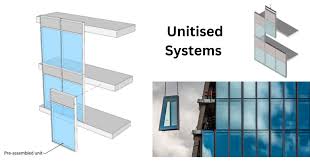
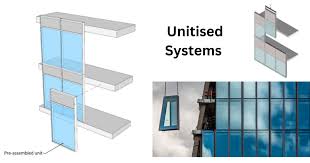
A unitized curtain wall system is a high-performance, prefabricated exterior cladding method where large façade panels—complete with glass, framing, and insulation—are assembled in a controlled factory setting. These factory-sealed units are transported to the site, reducing on-site labor and enabling faster installation, often used for high-rise, repetitive, or complex architectural projects.
Key Aspects of Unitized Curtain Wall Systems
Factory-Controlled Fabrication: Units are built indoors, ensuring consistent quality, superior sealing, and better performance in terms of air/water infiltration and thermal efficiency.
Fast Installation: Because panels are pre-glazed, they are hoisted directly onto the building structure, typically at a rate of a few floors per week.
Components: Systems include aluminum frames, vision glass, spandrel glass, or metal panels. They are designed with interlocking male/female vertical and horizontal mullions.
Performance & Design: They are ideal for high-rise buildings due to their ability to accommodate building movement, high wind loads, and thermal expansion.
Cost: While offering high performance, they often come at a higher cost compared to stick-built systems, with average costs around
$104.9$ 104.9
$104.9
per square foot.
Advantages
Speed: Significantly faster installation times, aiding, or accelerating the overall project schedule.
Quality: Higher precision due to factory fabrication.
Less Site Labor: Requires less on-site labor, reducing weather-related delays.
Sustainability: Materials often have high recycled content, and the systems can be designed for easy disassembly.
Limitations
Logistics: Requires significant storage space on-site and efficient, early planning for manufacturing.
Repetition Needed: Most cost-effective when used on projects with repetitive floor plans.
Higher Initial Cost: Generally more expensive up-front than alternative systems.